
How can a platform like Hgzy guarantee that its lottery draws are fair, unbiased, and trustworthy? In a world where users expect honesty and clarity, ensuring fair draws is key for user confidence. How Hgzy game ensures fair lottery draws, diving into technical methods, oversight practices, and transparency features.
What Does “Fair Lottery Draw” Mean?

Before digging into methods, it helps to define fairness in this setting:
- Unpredictability
No user or the platform (in a legitimate capacity) can foresee or influence the outcome before the draw closes. - Uniform Randomness
Every valid ticket or entry should have equal probability to win (unless rules explicitly adjust weights). - Transparency
Users should be able to observe or verify (directly or indirectly) that the process is honest. - Integrity & Non‑Tampering
The system should resist external interference, internal manipulation, or bias. - Auditability
Logs, history, or independent checks should allow verification retrospectively.
When these properties hold, the draw is considered fair in practice. Hgzy (and similar platforms) aims to fulfill these.
Role of Random Number Generation (RNG)
At the heart of most lottery draws is the Random Number Generator (RNG). Let’s examine how RNG works and how Hgzy can use it fairly.
What is RNG?
An RNG is an algorithm (or hardware process) that produces numbers (or values) that are, for practical purposes, random. In a digital lottery:
- It may run via a pseudo‑random algorithm (PRNG), seeded by some entropy input.
- Or it can use a hardware random source, such as microphysical noise or external data (timing, hardware sensors).
The RNG picks winning numbers or entries in a way that is unpredictable and (ideally) uniform.
Using RNG in Hgzy Lottery Draws
Hgzy’s site claims:
“HGZY ensures fair play by using random number generators (RNGs) that are regularly audited.
Also, HGZY describes fair draws and transparency tied to RNG.
So, Hgzy’s approach likely includes:
- Seeding with unpredictable entropy
Possibly time, system state, or external sources, so seed cannot be predicted in advance. - Using strong PRNG or cryptographic RNGs
To reduce patterns or periodicity that could be exploited. - Refreshing seed or mixing
Ensuring each draw’s randomness is independent (not correlated with previous draws). - Internal logging and history
Recording seeds, inputs, outputs for audit later.
However, merely having RNG is not sufficient. Additional safeguards and verification must be in place. Let’s explore those.
Independent Audits and Verification
Fairness is greatly boosted when third parties—external, neutral auditors—inspect the system. Here’s how Hgzy or similar platforms might incorporate audits:
Regular External Audits
- Independent security or gaming audit firms can inspect the RNG code, platform logic, and draw mechanism.
- They confirm that the RNG behaves correctly, that seeds are handled securely, and no hidden backdoors exist.
Hgzy’s claim of “regular audits” implies that it may employ such practices. That helps reassure users.
Certification
- Auditors may issue certificates or reports that the draw system meets certain standards (e.g. randomness, no bias).
- These certifications may be made publicly available for users to examine.
Post‑Draw Verification
- After draws, auditors may verify that the logged seed/input matched the outcome.
- They may confirm no tampering occurred after the fact.
Publicly Published Audit Reports
- The audit results, details of methodology, and conclusions may be published on Hgzy’s website.
By having these external checks, Hgzy BDT Game can strengthen trust and prove fairness beyond just claims.
Transparency and User Verifiability
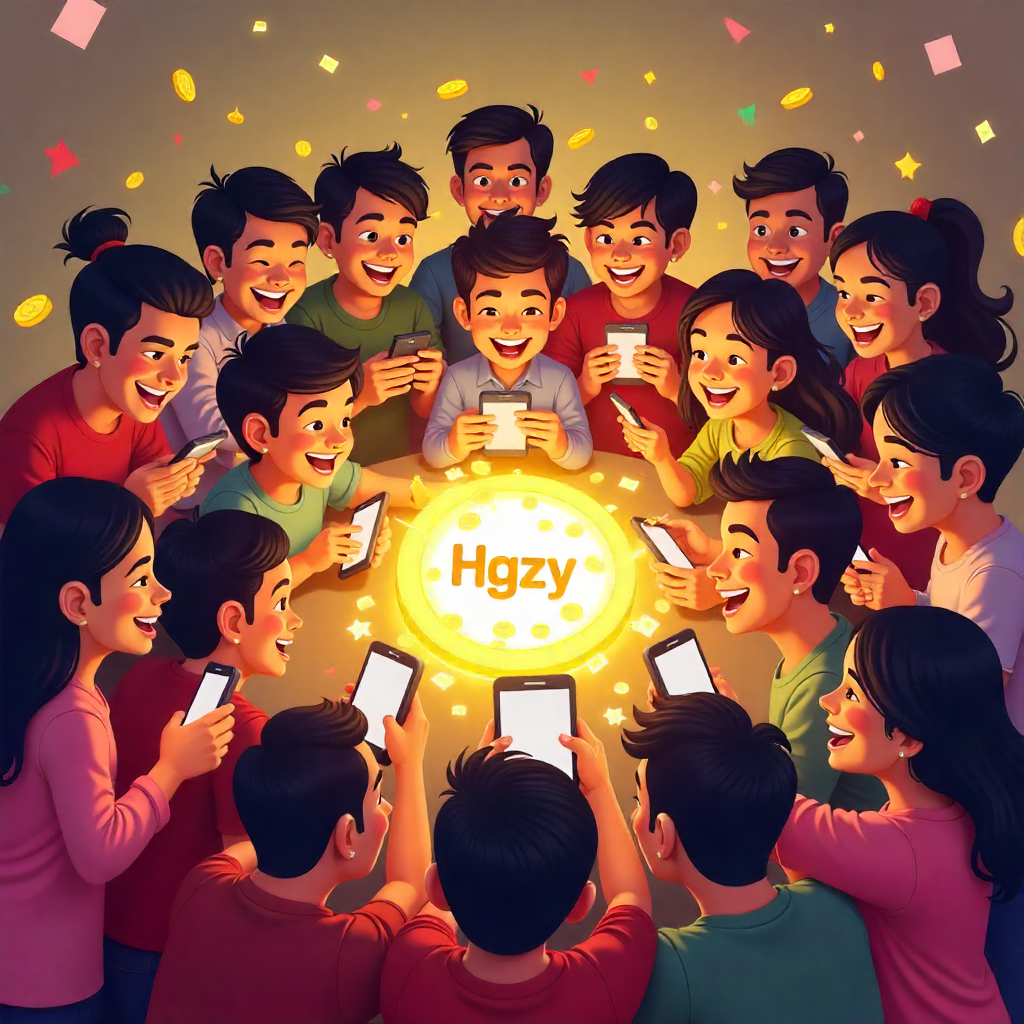
A system is stronger when users can partially verify outcomes or see proof that draws were honest. Here are features Hgzy (or any fair lottery platform) should offer:
Public Draw Logs & History
- Publish a draw history: results, time stamps, seeds (if applicable), ticket counts.
- Show how numbers were generated and how winners were selected.
Seed / Hash Commitments
One method is commit‑then‑reveal:
- Before the draw, the platform publishes a hash of the seed (or secret data) to commit to a particular seed without revealing it.
- After the draw, they reveal the seed and show how it led to the result.
- Users can hash the revealed seed to confirm it matches the prior hash, confirming that no change occurred.
This prevents the platform from altering the seed after seeing ticket sales or entries.
Public or Transparent RNG Code
- The RNG algorithm or drawing code may be open source or at least publicly disclosed.
- Users or auditors can review the logic and confirm it matches the published results.
APIs / Tools for Verification
- A public API where users can query results, seeds, or verification data.
- Tools or dashboards where users can plug in the data and verify the draw’s correctness.
Real‑Time Updates
- During ticket sales or draw windows, display data such as number of entries, logs, or intermediate states (if feasible).
- After the draw, update instantaneously and show all relevant details.
These transparency features help users feel confident the draw was fair, rather than being a black box.
Safeguards & Anti‑Manipulation Techniques
Beyond RNG + audits + transparency, platforms often embed additional protection layers.
Data Integrity & Cryptographic Measures
- Use cryptographic hashes to preserve logs (immutable logs).
- Digitally sign the logs, seeds, or draw data so they cannot be altered without detection.
Access Controls & Separation of Duties
- The team operating the draw system should have restricted access. No single individual can tamper with seeds, draws, or outcome.
- Key operations (seed generation, draw execution, result publishing) are split across roles to prevent centralized manipulation.
Tamper Detection & Monitoring
- Real‑time monitoring for anomalies (e.g. suspicious patterns, repeated winners, abnormal entry distributions).
- Alerts on irregular behavior or system intrusions.
Time Locks & Delays
- Enforce a delay between seed commit and draw execution, so that no real-time adjustments can be made.
- Use fixed windows: once ticket sales close, RNG executes automatically with no manual interference.
Redundancy and Backup
- Maintain backups of logs, seeds, audit data in secure, read‑only forms.
- Ensure that system failures or crashes do not allow state rollback or manipulation.
Proofs of Fairness via Blockchain or External Sources
- Some platforms use blockchain data (e.g. block hashes) as entropy or verification sources.
This idea is common in “provably fair lotteries. - By referencing an external, unpredictable, and immutable data source, the platform ensures no one can influence that data.
For example, a platform might declare: “We’ll use the hash of block X on a public blockchain (e.g. Bitcoin) as a seed for draw Y.” Then, after block X is mined (which cannot be predicted or altered retrospectively), that hash is used. Users can fetch block X’s hash and verify it’s the same used in the draw.
Though I don’t have proof that Hgzy uses blockchain entropy, this method represents a strong safeguard in fair lottery systems.
What Users Should Look for to Confirm Fairness
As a user, you can check for these indicators:
- Published fairness / audit reports
If Hgzy releases PDF or web reports from independent auditors, read them. - Seed / hash commitments
Look for a draw schedule where seed hashes are published before draws, then revealed after. - Log history and result archives
The ability to view past draws, with full details, seeds, participation data. - Public RNG description or algorithm
The platform should at least explain how randomness is generated (cryptographic PRNG, hardware RNG, etc.). - Third‑party endorsements
Certifications, badges, or third‑party reviews verifying fairness. - User verification tools / APIs
If the platform offers means for you to plug in the seed and confirm the result, that’s strong evidence. - Transparency in draw windows
Clear timing of when ticket sales close, when draw occurs, and locks before result generation. - Responsive support and challenge process
If a user suspects an issue, the platform should allow inquiries, show logs, or explain steps.
If you cannot find any of these, you can contact Hgzy’s support and ask directly: “Can I see the draw seed commitments and audit reports?” Their response may tell you how serious they are about transparency.
Challenges & Limitations in Ensuring Perfect Fairness
Even with strong systems, there are challenges and possible vulnerabilities. Awareness helps you remain cautious.
Trust in Platform Implementation
- Even if the algorithm is disclosed, you must trust that the deployed code matches the published version. (Code drift or divergence is possible.)
- Audits may not catch future changes, so code must be locked or versioned.
RNG Predictability if Poorly Seeded
- If seed is weak (predictable or low entropy), the RNG output may be influenced or guessed.
- Timing-based or user‑influenced seeds can sometimes be attacked.
Insider Access and Collusion
- If employees or insiders have privileged access, they may bypass controls unless strict separation and auditing exist.
Denial of Evidence
- The platform may claim proprietary systems and refuse to provide seed data or implementation, making independent verification hard.
Latency, System Failures, or Bugs
- Technical errors, race conditions, or bugs might lead to unintended bias or mis‑draws.
Limited User Verification Ability
- Even if reports or logs are published, average users may lack technical skill to verify them fully.
Lack of External Unrelated Source of Entropy
- If the platform only uses internal data (server time, system state) without an external randomness source, there’s more potential for manipulation. Using blockchain or external data (as described earlier) is stronger.
Thus, while no system is perfectly immutable, strong practices greatly reduce the risk of unfairness.
Conclusion
Hgzy demonstrates a strong commitment to fairness and transparency in its lottery draws by implementing secure systems, reliable random number generation (RNG), and audit procedures. These efforts help ensure that every participant has an equal and unbiased chance of being selected.
By focusing on:
- Trusted RNG technology
- Regular external audits
- Clear and public draw logs
- Preventive anti-manipulation systems
- User-verifiable processes
Hgzy builds trust and protects users from unfair outcomes. Although no system is flawless, the steps taken by Hgzy reflect industry-standard practices that significantly reduce risk and increase reliability.